Power Battery Solutions
  • Scopes
    • High performance E-racing
    • Retrofit
    • Zwaar materieel
    • Industrie
    • Maritiem
    • Specials & Kennis
  • Oplossingen
    • Luchtgekoeld elektrisch
    • Hybride elektrisch
    • Vloeistofgekoeld elektrisch
  • Hoe we werken
  • Technologie
    • Batterijtypes & celchemieën
    • Batterijmodules
    • Koeltechnologie
    • Batterijpakketten
    • Datasheets
    • Power Battery calculator
    • 3D-Modellen
  • Over ons
  • E-INSIGHTS
Contact
  • Heavy transport electrification faces serious challenges that traditional battery-only systems simply can’t solve. Range limitations, lengthy charging times, and infrastructure gaps create operational headaches for fleet managers who need reliable, efficient solutions. The answer isn’t choosing between fuel cells or batteries – it’s combining both technologies to create a performance battery pack system that delivers the best of both worlds.

    This hybrid approach transforms how heavy vehicles operate, offering extended range, faster refueling, and consistent performance across all conditions. You’ll discover why leading transport operators are making the switch to integrated energy systems that keep their fleets moving efficiently.

    1. Extended operational range without charging stops

    Fuel cell integration eliminates the range anxiety that plagues battery-only heavy transport. While traditional electric trucks might manage 200-300 kilometres on a single charge, fuel cell hybrid systems can operate for 800 kilometres or more without stopping. The fuel cell continuously generates electricity from hydrogen, essentially creating a mobile power station that keeps your batteries topped up during operation.

    This extended range capability transforms logistics planning. You can schedule longer routes without factoring in charging infrastructure availability or lengthy charging stops. The fuel cell acts as an onboard generator, maintaining battery charge levels throughout the journey and ensuring consistent power delivery even during demanding operations like hill climbing or heavy acceleration.

    For long-haul operators, this means maintaining traditional route schedules whilst transitioning to clean energy. Your drivers can focus on delivery schedules rather than hunting for available charging points or planning extended breaks around battery charging requirements.

    2. Faster refueling compared to battery charging

    Hydrogen refueling takes approximately 10-15 minutes, compared to several hours for high-capacity battery charging. This dramatic difference in downtime directly impacts your operational efficiency and profitability. Commercial transport operations can’t afford vehicles sitting idle for extended charging periods, especially during peak operational hours.

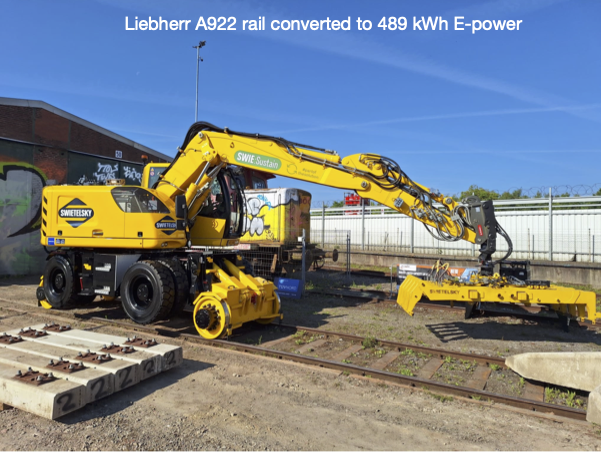
    The speed advantage becomes even more pronounced with Battery heavy equipment applications. Construction vehicles, mining equipment, and agricultural machinery often operate in remote locations where charging infrastructure is limited or non-existent. Quick hydrogen refueling allows these vehicles to maintain productivity without lengthy interruptions.

    Fleet operators report significant improvements in vehicle utilisation rates when switching to fuel cell hybrid systems. The reduced refueling time means more vehicles can share refueling infrastructure, and drivers can complete more deliveries per shift without scheduling around charging requirements.

    3. Better performance in extreme weather conditions

    Battery performance drops significantly in cold temperatures, sometimes losing 20-40% of capacity when temperatures fall below freezing. Fuel cell systems maintain consistent performance across a much wider temperature range, making them ideal for year-round heavy transport operations in challenging climates.

    The fuel cell’s heat generation actually helps maintain optimal battery temperatures in cold conditions. This thermal management benefit extends battery life whilst ensuring reliable performance during winter operations. Your vehicles maintain full power and range regardless of seasonal temperature variations.

    Hot weather operations also benefit from fuel cell integration. The system can provide cooling power for battery thermal management without draining the main energy storage, maintaining performance during summer operations or in hot industrial environments.

    4. Reduced total system weight for better payload capacity

    Large battery packs required for extended range add considerable weight to heavy vehicles. A fuel cell hybrid system can achieve similar range with significantly less total weight, freeing up valuable payload capacity. This weight advantage directly translates to increased revenue potential per journey.

    The weight savings become particularly important for weight-sensitive applications. Delivery trucks operating under strict gross vehicle weight limits can carry more cargo when using lighter fuel cell hybrid systems compared to massive battery packs. This improved payload capacity helps offset the higher initial system costs through increased earning potential.

    Construction and mining equipment benefit enormously from reduced energy system weight. Every kilogram saved in the power system allows for increased tool capacity, materials handling, or extended operational equipment that directly improves job site productivity.

    5. Peak power delivery when you need it most

    Batteries excel at delivering instant high power for acceleration and hill climbing, whilst fuel cells provide steady, consistent base load power. This complementary relationship creates optimal power delivery characteristics for heavy transport demands. The battery handles power spikes whilst the fuel cell maintains cruising power and recharges the battery during low-demand periods.

    This power management strategy maximises efficiency across different driving scenarios. During stop-and-go urban delivery routes, the battery provides responsive acceleration power. On motorway cruising, the fuel cell efficiently maintains speed whilst preparing the battery for the next high-power demand situation.

    Heavy equipment operators particularly appreciate this dual power approach. Excavators can use battery power for rapid digging cycles whilst the fuel cell maintains hydraulic pressure and prepares for the next power-intensive operation. This seamless power transition improves operational smoothness and equipment responsiveness.

    6. Lower infrastructure investment for fleet operators

    Hydrogen refueling stations require lower initial infrastructure investment compared to high-power charging installations, particularly for depot-based operations. A single hydrogen refueling point can service multiple vehicles quickly, whereas high-power charging requires individual charging points for each vehicle, multiplying infrastructure costs.

    Remote operations benefit significantly from this infrastructure advantage. Installing hydrogen storage and dispensing equipment in remote locations often proves more practical and cost-effective than running high-voltage electrical infrastructure to support multiple high-power chargers.

    The infrastructure scalability also favours hydrogen systems. As your fleet grows, adding hydrogen storage capacity is typically more straightforward than upgrading electrical infrastructure to support additional high-power charging points, especially in older facilities with limited electrical capacity.

    7. Improved system reliability through redundancy

    Having two complementary power sources creates built-in backup capabilities that significantly improve overall vehicle reliability. If one system experiences issues, the other can provide emergency power to complete critical deliveries or return to base for repairs. This redundancy reduces the risk of complete system failure and costly roadside breakdowns.

    The reliability advantage extends beyond emergency backup. Different failure modes between fuel cells and batteries mean that common issues affecting one system are unlikely to impact the other simultaneously. This diversity in technology creates a more robust overall power system.

    Fleet maintenance teams appreciate the flexibility this redundancy provides. Scheduled maintenance on one power system doesn’t necessarily ground the vehicle, as the remaining system can often provide sufficient power for limited operations or repositioning to maintenance facilities.

    8. Optimised energy efficiency across different driving cycles

    Fuel cells excel during steady-state motorway driving, whilst batteries handle stop-and-go traffic more efficiently. This complementary efficiency creates overall energy savings across varied transport scenarios. The system automatically optimises which power source handles different driving demands, maximising efficiency without driver intervention.

    Urban delivery routes benefit from regenerative braking energy capture in batteries, whilst the fuel cell efficiently maintains power during extended idling for loading operations. Long-haul routes utilise fuel cell efficiency during cruising speeds, with batteries providing power for climbing grades or overtaking manoeuvres.

    This intelligent power management translates to lower operating costs through improved energy utilisation. The system learns from driving patterns and optimises power source selection to minimise energy consumption across typical route profiles.

    9. Scalable power solutions for different vehicle sizes

    The modularity advantages of fuel cell battery integration allow the same technology approach to work across various heavy transport applications. From delivery trucks to mining equipment, the basic hybrid concept scales by adjusting fuel cell size, battery capacity, and hydrogen storage to match specific operational requirements.

    This scalability simplifies fleet management for operators running diverse vehicle types. Maintenance teams can develop expertise across similar hybrid systems rather than managing completely different technologies for different vehicle classes. Parts commonality and service procedures create operational efficiencies across the entire fleet.

    Custom battery pack configurations can be optimised for specific applications whilst maintaining the core fuel cell integration benefits. Mining trucks might emphasise high-power battery capacity for heavy loads, whilst delivery vehicles prioritise energy density for extended urban operations.

    10. Future-proof technology investment

    Fuel cell battery integration positions fleets for evolving hydrogen infrastructure and regulatory changes whilst maintaining current operational capabilities. As hydrogen availability expands and costs decrease, your vehicles can take full advantage of these improvements without requiring complete system replacement.

    Regulatory trends increasingly favour zero-emission transport solutions. Hybrid systems provide compliance flexibility, operating as zero-emission vehicles when hydrogen is available whilst maintaining operational capability in areas where hydrogen infrastructure is still developing.

    The technology investment also hedges against future energy price volatility. As electricity and hydrogen prices fluctuate, operators can optimise energy sourcing strategies, using the most cost-effective energy source available in different regions or time periods.

    Making the switch to hybrid energy systems

    The combination of fuel cells and batteries addresses the fundamental challenges facing heavy transport electrification. Extended range, rapid refueling, weather resilience, and operational flexibility create compelling advantages over single-technology solutions. The redundancy and efficiency benefits provide both immediate operational improvements and long-term strategic positioning.

    For fleet operators considering the transition to clean energy, hybrid systems offer a practical path forward that doesn’t compromise operational requirements. The technology scales across different vehicle types and applications, creating opportunities for comprehensive fleet transformation rather than piecemeal solutions. Implementing proper hybrid safety considerations ensures these complex dual-power systems operate reliably throughout their service life.

    The infrastructure advantages and future-proofing benefits make hybrid energy systems an intelligent investment for forward-thinking transport operators. As hydrogen infrastructure develops and battery technology continues improving, your hybrid fleet will be positioned to capitalise on both advancement trends.

    Ready to explore how hybrid battery systems could transform your heavy transport operations? We specialise in developing custom solutions that match your specific operational requirements and help you make the transition to cleaner, more efficient transport systems. Contact us to discuss your fleet’s unique needs and discover the potential of integrated fuel cell and battery technology.

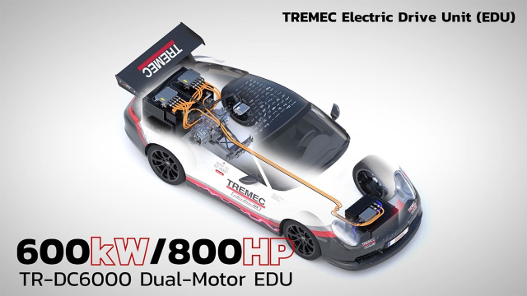
  • When you push electric vehicles to their limits in racing circuits or marine environments, heat becomes your biggest enemy. Formula E battery packs and maritime battery pack systems generate enormous amounts of thermal energy during high-performance operations, and traditional air cooling simply can’t keep up. That’s where liquid cooling technology transforms everything, offering precise temperature control that unlocks the full potential of your electric powertrain. Let’s explore how this advanced cooling approach revolutionises performance in the most demanding applications.

    1. Maintains consistent power output during intense cycling

    Racing batterypack systems face extreme thermal stress during competition. When batteries heat up beyond their optimal operating range, they automatically reduce power output to protect themselves from damage. This thermal throttling can cost you valuable seconds on the track or leave you stranded in challenging marine conditions.

    Liquid cooling systems maintain steady operating temperatures even during the most demanding power draws. The coolant circulates continuously through thermal management plates, absorbing heat directly from battery cells and transferring it to external radiators. This process happens so efficiently that your power output remains consistent throughout entire race sessions or extended marine operations.

    The temperature stability benefits extend beyond just maintaining peak power. Your vehicle’s electronic systems also perform more reliably when operating within their designed temperature ranges, reducing the risk of unexpected shutdowns or performance degradation during critical moments.

    2. Extends battery lifespan in extreme conditions

    High temperatures accelerate chemical degradation inside battery cells, particularly in harsh marine environments where salt air and temperature fluctuations add extra stress. Every degree above optimal operating temperature reduces your battery’s overall lifespan and capacity retention.

    Liquid cooling systems provide precise temperature control that keeps cells within their ideal operating window. This controlled environment significantly reduces the rate of electrolyte breakdown and electrode degradation that naturally occurs during charge and discharge cycles. The result is batteries that maintain their capacity and performance characteristics much longer than air-cooled alternatives.

    Marine applications particularly benefit from this extended lifespan. The combination of vibration, humidity, and temperature extremes that boats experience would quickly degrade traditional cooling systems, but liquid cooling maintains consistent protection regardless of environmental conditions.

    3. Enables faster charging without overheating risks

    Rapid charging generates substantial heat as electrical energy converts to chemical energy inside battery cells. Without adequate cooling, this heat buildup creates dangerous temperature spikes that can damage cells or even pose safety risks.

    Liquid cooling systems excel at managing these thermal loads during high-speed charging protocols. The coolant absorbs heat as quickly as it’s generated, allowing you to take advantage of fast charging without compromising safety or battery health. This capability proves invaluable during pit stops in racing or when you need quick turnaround times at harbour charging stations.

    The enhanced heat dissipation also enables more aggressive charging curves. Your battery management system can maintain higher charging rates for longer periods, reducing overall charging time whilst protecting your investment in expensive Formula E battery packs or maritime battery pack systems.

    4. Improves energy efficiency and range performance

    Battery internal resistance increases with temperature, causing more energy to be lost as heat rather than delivered to your motors. This inefficiency directly impacts your vehicle’s range and performance capabilities, particularly during sustained high-power operations.

    Optimal operating temperatures maintained by liquid cooling systems minimise internal resistance and maximise energy conversion efficiency. Your batteries deliver more of their stored energy to propulsion systems rather than wasting it as unwanted heat. This improved efficiency translates directly into extended range and better performance metrics.

    The efficiency gains compound over time. Cooler-running batteries maintain their peak efficiency characteristics longer, whilst hot batteries gradually lose capacity and develop higher internal resistance that permanently reduces their effectiveness.

    5. What makes liquid cooling systems work in challenging environments?

    Effective liquid cooling systems rely on carefully selected components designed to withstand the unique stresses of racing and marine applications. The coolant itself must resist freezing, boiling, and chemical breakdown whilst providing excellent thermal conductivity and electrical insulation properties.

    For racing applications specifically, understanding the comprehensive e-race cooling benefits helps engineers optimise system performance for competitive environments. Racing batterypack installations require cooling systems that can handle extreme vibrations and G-forces without leaking or losing effectiveness. Reinforced connections, flexible hosing, and robust mounting systems ensure reliable operation even during aggressive cornering or rough water conditions.

    Marine environments demand additional protection against corrosion and moisture ingress. Sealed cooling circuits with marine-grade materials and coatings prevent saltwater intrusion that could compromise system integrity. The cooling pumps and heat exchangers must also resist the constant motion and vibration that boats experience.

    The key to successful liquid cooling lies in matching system design to your specific application requirements, considering factors like space constraints, weight distribution, and maintenance accessibility.

    Getting the most from your cooling system

    Liquid cooling technology represents a fundamental shift in how we approach thermal management for high-performance electric vehicles. The benefits extend far beyond simple temperature control, touching every aspect of your vehicle’s performance, reliability, and operational costs.

    Whether you’re developing Formula E battery packs for competitive racing or maritime battery pack systems for commercial vessels, liquid cooling unlocks performance potential that simply isn’t achievable with traditional cooling methods. The investment in advanced thermal management pays dividends through extended battery life, improved efficiency, and consistent performance under the most demanding conditions.

    The technology continues evolving as electric vehicle applications become more demanding. We’re seeing innovations in coolant formulations, pump designs, and heat exchanger configurations that push the boundaries of what’s possible in compact, lightweight cooling systems.

    Ready to explore how liquid cooling can transform your electric vehicle’s performance? Our team specialises in developing custom liquid-cooled battery solutions tailored to your specific requirements. Contact us to discuss how we can help you achieve the thermal management performance your application demands.

  • Battery heavy equipment faces a constant challenge: balancing power output with operational endurance. Traditional battery systems excel at delivering instant power, whilst fuel cells provide sustained energy over extended periods. But what if you could harness both technologies in a single system?

    Hybrid battery systems represent the next evolution in energy storage, combining different battery technologies or pairing batteries with fuel cells to address the limitations of standalone solutions. These systems are transforming how industries approach energy storage, offering unprecedented flexibility for applications ranging from construction equipment to maritime operations.

    Let’s explore how these innovative systems deliver the best of both worlds and why they’re becoming the preferred choice for demanding industrial applications.

    1. Extended range without compromising on power output

    One of the most significant advantages of hybrid battery systems lies in their ability to deliver both sustained energy and peak power when you need it most. Traditional battery systems often force you to choose between high power output and long operational range, but hybrid systems eliminate this compromise entirely.

    In a typical hybrid configuration, fuel cells handle the steady energy demands whilst batteries manage power spikes and sudden load increases. This intelligent power distribution means your equipment can operate for extended periods without sacrificing the instant torque and acceleration that modern applications demand. The fuel cell component provides a continuous energy baseline, whilst the battery pack delivers the rapid response needed for demanding operations.

    This dual approach proves particularly valuable in applications like construction equipment, where you need consistent power for continuous operation combined with bursts of high energy for intensive tasks. The system automatically switches between power sources based on demand, ensuring optimal performance throughout your operational cycle.

    2. Faster refueling compared to pure battery systems

    Downtime kills productivity, and traditional battery charging can leave your equipment idle for hours. Hybrid systems address this challenge through their fuel cell component, which can be refueled with hydrogen in minutes rather than hours required for battery charging.

    This rapid refueling capability transforms operational efficiency, particularly in demanding environments where equipment must maintain high utilisation rates. Whilst a pure battery system might require several hours of charging time, the hydrogen component of a hybrid system can be replenished quickly, allowing immediate return to service.

    The battery component still benefits from charging when convenient, but it’s no longer the bottleneck in your operational schedule. This flexibility means you can plan maintenance and charging around your operational needs rather than being constrained by lengthy charging cycles. The result is significantly improved equipment availability and reduced operational costs.

    3. Better performance in extreme temperature conditions

    Temperature extremes can severely impact battery performance, but hybrid systems maintain functionality where traditional batteries struggle. The fuel cell component provides consistent power delivery even in harsh environmental conditions, compensating for battery performance degradation in extreme temperatures.

    Cold weather can reduce battery capacity by up to 40%, whilst excessive heat accelerates degradation and reduces lifespan. Hybrid systems mitigate these issues by relying more heavily on the fuel cell component during temperature extremes, whilst the battery system operates within its optimal range when conditions allow.

    This temperature resilience makes hybrid systems particularly valuable for outdoor applications, cold storage facilities, and equipment operating in challenging climates. The system’s intelligent management ensures consistent performance regardless of environmental conditions, providing reliability when you need it most.

    4. Reduced battery degradation through smart load sharing

    Battery degradation represents one of the highest long-term costs in electric systems, but hybrid configurations significantly extend battery life through intelligent load distribution. By sharing energy demands between fuel cells and batteries, the system reduces stress on individual components.

    Smart power management algorithms continuously monitor system demands and distribute loads to optimise component longevity. High-drain operations that would typically stress battery cells are shared with the fuel cell system, whilst the battery handles applications where it performs most efficiently. This approach prevents the deep discharge cycles that accelerate battery degradation.

    The result is extended battery life, reduced replacement costs, and improved system reliability. Many hybrid systems achieve battery lifespans 50-70% longer than comparable standalone battery systems, representing significant cost savings over the equipment’s operational life.

    5. What makes hybrid systems more cost-effective long-term?

    The initial investment in hybrid systems may be higher than traditional solutions, but the long-term cost benefits are compelling. Total cost of ownership calculations consistently favour hybrid systems when you factor in reduced maintenance, extended component life, and improved operational efficiency.

    Reduced battery replacement frequency represents the most significant cost saving. With smart load sharing extending battery life substantially, replacement intervals increase dramatically. Additionally, the fuel cell component requires minimal maintenance compared to traditional engines or generators, reducing ongoing service costs.

    Operational savings compound these benefits through reduced downtime, faster refueling, and improved productivity. The system’s ability to operate efficiently across various conditions means consistent performance and predictable operating costs. When evaluating custom battery pack solutions, these long-term benefits often justify the initial investment within the first few years of operation.

    6. Scalable solutions for diverse industrial applications

    Hybrid battery systems offer unprecedented flexibility for various industrial applications. Whether you’re powering construction equipment, maritime vessels, or stationary installations, these systems can be configured and scaled to meet specific requirements. This adaptability makes them suitable for applications where traditional systems fall short.

    The modular nature of hybrid systems allows for customisation based on operational profiles. Applications requiring high power density can emphasise the battery component, whilst those needing extended range can prioritise fuel cell capacity. This flexibility extends to performance battery pack configurations that can be tailored to specific voltage, capacity, and form factor requirements.

    Scalability also means systems can grow with your needs. Additional modules can be added to increase capacity or power output, providing a future-proof solution that adapts to changing operational requirements. This modularity reduces the risk of obsolescence and protects your investment as technology evolves. As industries continue to explore advanced solutions, the future of hybrid technology promises even greater flexibility and performance improvements.

    Getting the most from hybrid battery technology

    Hybrid battery systems represent a significant advancement in energy storage technology, offering solutions to challenges that have long plagued traditional systems. By combining the instant response of batteries with the sustained output of fuel cells, these systems deliver performance that neither technology could achieve alone.

    The benefits extend beyond simple performance improvements. Reduced maintenance, extended component life, improved operational flexibility, and better environmental resilience create a compelling case for hybrid adoption. As industries demand more from their energy storage systems, hybrid solutions provide the versatility and reliability needed to meet these evolving requirements.

    Choosing the right hybrid configuration requires careful consideration of your specific operational profile, environmental conditions, and performance requirements. The investment in properly designed hybrid systems pays dividends through improved productivity, reduced operating costs, and enhanced operational flexibility. If you’re considering hybrid battery solutions for your application, we’d be happy to discuss how these systems can benefit your specific requirements. Feel free to contact us to explore the possibilities.

  • When you push a performance battery pack to its limits, heat becomes your biggest enemy. Excessive temperatures don’t just reduce efficiency – they can permanently damage cells and create safety risks. While air cooling might work for basic applications, liquid cooling systems provide the precision and power needed for demanding energy storage applications. The difference lies in the engineering details that make these systems truly reliable when the pressure is on.

    1. Integrated coolant flow channels

    The most effective liquid-cooled systems build cooling directly into the battery pack design rather than bolting it on as an afterthought. Integrated coolant channels run through or alongside battery modules, creating direct thermal pathways that pull heat away from individual cells before it can accumulate.

    These channels follow specific design principles that optimise flow dynamics. The coolant needs to move fast enough to carry heat away efficiently, but not so fast that it creates turbulence or excessive pressure drops. Engineers typically design serpentine or parallel flow patterns that ensure every cell receives adequate cooling attention.

    The beauty of integrated channels is their consistency. Unlike external cooling methods that might miss hot spots, properly designed flow channels create predictable thermal management across the entire battery pack cooling system. This uniformity translates directly into longer battery life and more reliable performance under heavy loads.

    2. Temperature monitoring sensors throughout the system

    You can’t manage what you don’t measure, and effective battery pack cooling relies on comprehensive temperature monitoring. Strategic sensor placement creates a thermal map of your entire system, identifying potential problems before they become critical failures.

    Modern liquid-cooled systems position sensors at multiple points: cell surfaces, coolant inlet and outlet locations, and critical junction areas where heat tends to accumulate. This multi-point monitoring prevents the formation of dangerous hot spots that could trigger thermal runaway or permanent cell damage.

    The real value comes from how this temperature data integrates with system controls. When sensors detect rising temperatures, the cooling system can automatically adjust pump speeds, redirect coolant flow, or even trigger protective shutdowns. This real-time response capability makes the difference between a minor temperature spike and a catastrophic failure.

    3. Variable speed pump control systems

    Fixed-speed pumps waste energy and provide poor thermal control. Variable speed systems adapt coolant flow to match actual cooling demands, providing exactly the right amount of circulation for current conditions.

    During light loads, the system reduces pump speed to save energy while maintaining adequate cooling. When your performance battery pack faces heavy discharge rates or charging cycles, pump speed increases automatically to handle the additional heat load. This adaptive control prevents both overcooling (which wastes energy) and undercooling (which damages batteries).

    The efficiency benefits extend beyond just pump energy consumption. By matching cooling capacity to actual needs, variable speed systems maintain optimal battery operating temperatures more consistently. This precision control directly improves battery performance and extends operational life.

    4. Heat exchanger sizing and placement

    The heat exchanger serves as the critical link between your battery cooling loop and the external environment. Proper sizing ensures adequate heat rejection capacity, while strategic placement optimises thermal transfer efficiency.

    Sizing calculations must account for maximum heat generation under peak load conditions, plus a safety margin for extreme operating environments. Undersized heat exchangers create bottlenecks that compromise entire system performance. Oversized units waste space and money while potentially creating flow distribution problems.

    Placement considerations include airflow access, maintenance accessibility, and protection from environmental hazards. The best heat exchanger designs position cooling coils where they can access maximum ambient airflow while remaining protected from debris, moisture, and physical damage that could compromise long-term reliability.

    5. Redundant cooling circuits for safety

    Single points of failure have no place in critical energy storage applications. Redundant cooling circuits provide backup pathways that maintain thermal management even when primary systems experience problems.

    Effective redundancy goes beyond simply installing duplicate components. The backup circuits must be capable of handling full thermal loads independently, with automatic switching mechanisms that activate seamlessly when needed. This means parallel cooling loops with separate pumps, sensors, and control systems.

    The redundancy design should also consider common failure modes. If both circuits share the same coolant reservoir or heat exchanger, a single component failure could still compromise the entire system. True redundancy requires independent pathways from battery pack to final heat rejection.

    6. Coolant selection for different applications

    Not all coolants perform equally across different operating conditions. The right fluid choice depends on temperature ranges, electrical isolation requirements, and long-term chemical stability needs.

    Water-glycol mixtures offer excellent heat transfer properties and freeze protection, making them suitable for many outdoor applications. Dielectric fluids provide electrical isolation benefits but typically have lower thermal conductivity. Specialised thermal management liquids can offer the best of both worlds but at higher cost.

    Consider factors like thermal conductivity, viscosity across your operating temperature range, corrosion protection properties, and maintenance requirements. The cheapest coolant option often proves expensive when it requires frequent replacement or causes system component degradation.

    7. Insulation and thermal barriers

    Effective cooling isn’t just about removing heat – it’s also about preventing unwanted heat intrusion from external sources. Proper insulation and thermal barriers maintain coolant temperatures and protect sensitive components from environmental temperature fluctuations.

    Insulation placement requires careful consideration of thermal bridges that could bypass protective barriers. Critical areas include coolant lines, pump housings, and any points where the cooling system interfaces with warmer external components. High-performance insulation materials maintain their properties across wide temperature ranges and resist degradation from vibration or chemical exposure.

    Thermal barriers also protect against radiant heat sources like direct sunlight or nearby hot equipment. Reflective barriers can be particularly effective in outdoor installations where solar heating could overwhelm cooling system capacity during peak temperature periods.

    8. Emergency cooling protocols and failsafes

    When cooling systems fail, batteries need immediate protection to prevent thermal runaway and potential safety hazards. Emergency protocols and automatic failsafes provide the last line of defence against catastrophic failures.

    Effective emergency systems include automatic load disconnection when temperatures exceed safe limits, backup cooling activation from redundant circuits, and controlled shutdown procedures that safely manage stored energy. These failsafe mechanisms operate independently of main system controls to ensure reliability even during multiple system failures.

    Emergency cooling might include passive heat sinks, emergency coolant reserves, or even controlled venting systems that safely manage thermal energy when active cooling becomes unavailable. The goal is always to prevent dangerous conditions while preserving as much of the battery system as possible for future operation.

    Getting the most from your liquid-cooled system

    Proper design integration brings all these features together into a cohesive thermal management solution. Each component must work harmoniously with others to deliver reliable performance under the most demanding conditions. These sophisticated cooling systems find their most critical applications in scenarios where failure is not an option, such as essential liquid-cooling applications where thermal management directly impacts operational success. Regular maintenance ensures long-term reliability, including coolant quality monitoring, sensor calibration, and pump performance verification.

    The investment in comprehensive liquid cooling pays dividends through extended battery life, consistent performance, and reduced safety risks. When you’re ready to explore how these design features can benefit your specific application, we’d be happy to discuss your thermal management requirements. Feel free to contact us to learn more about implementing these proven cooling strategies in your next energy storage project.

  • Heat is the silent killer of battery performance. When your battery pack starts overheating, you’re not just looking at reduced efficiency—you’re facing potential safety risks, shortened lifespan, and compromised power output. While air-cooled systems work fine for basic applications, certain demanding environments require the superior thermal management that only liquid cooling can provide.

    The difference between air-cooled and liquid-cooled battery pack cooling comes down to heat transfer efficiency. Liquid cooling systems can remove heat up to 25 times more effectively than air cooling, making them the go-to solution when your performance battery pack needs to operate under extreme conditions. Let’s explore the six key applications where liquid cooling isn’t just helpful—it’s absolutely necessary.

    1. High-performance racing vehicles

    Racing pushes batteries to their absolute limits. When a Formula E car accelerates from 0 to 100 km/h in under three seconds, the battery pack generates massive amounts of heat in a matter of moments. This isn’t just about speed—it’s about maintaining that speed consistently throughout an entire race.

    The rapid acceleration and deceleration cycles in motorsport create thermal stress that would cripple standard cooling systems. During regenerative braking, energy flows back into the battery at incredible rates, generating even more heat. Without proper liquid cooling, the battery pack would either throttle performance to prevent overheating or risk thermal runaway—neither option acceptable in competitive racing.

    Sports cars and high-performance vehicles face similar challenges. The difference between winning and losing often comes down to consistent power delivery throughout the race, and that’s only possible when your cooling system can handle the thermal demands of extreme performance.

    2. Heavy construction and mining equipment

    Construction sites and mining operations present some of the harshest environments for battery systems. Excavators, bulldozers, and mining trucks operate continuously in extreme temperatures, often in dusty conditions where air cooling becomes ineffective.

    These machines demand sustained high power for extended periods. An electric excavator might run at full capacity for 8-12 hours straight, with the hydraulic systems drawing massive current from the battery pack. The combination of high ambient temperatures, continuous operation, and dust-laden air makes liquid cooling the only viable option for maintaining performance.

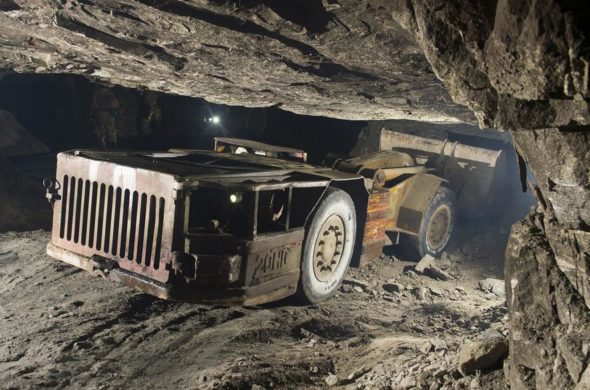
    Mining equipment faces additional challenges. Underground operations often involve high humidity and temperature variations that can stress battery systems beyond their limits. Liquid cooling systems provide the thermal stability needed to keep these critical machines operating safely and efficiently, regardless of environmental conditions.

    3. Industrial grid storage systems

    Grid-scale energy storage systems handle enormous amounts of power, cycling between charging and discharging at rates that generate significant heat. These installations often store megawatts of energy and must respond to grid demands within seconds, creating intense thermal loads.

    The rapid cycling inherent in grid storage applications means the battery pack rarely has time to cool down naturally. During peak demand periods, these systems might discharge at maximum capacity for hours, then immediately switch to rapid charging when renewable sources come online. This constant thermal stress requires sophisticated cooling solutions.

    Utility-scale installations also face the challenge of maintaining efficiency over decades of operation. Even small efficiency losses due to overheating can translate to massive energy waste and reduced profitability. Liquid cooling helps maintain optimal operating temperatures, extending battery life and preserving the long-term performance that makes these installations economically viable.

    4. Electric marine vessels and watercraft

    Marine environments present unique cooling challenges that make liquid cooling particularly valuable. Saltwater environments are notoriously harsh on electrical systems, and the constant motion of watercraft creates additional thermal management complexities.

    Electric boats and ships require continuous high-power propulsion, often at varying speeds and loads. Unlike road vehicles that experience stop-and-go traffic, marine vessels typically operate at sustained power levels for extended periods. This continuous operation, combined with the inability to rely on airflow for cooling, makes liquid cooling systems particularly important.

    The marine environment also offers opportunities for innovative cooling solutions. Some systems integrate with the vessel’s existing water cooling infrastructure, using seawater as a heat sink while maintaining proper isolation to prevent corrosion. This approach provides exceptional cooling capacity while leveraging the natural heat sink properties of large bodies of water.

    5. What makes electric aircraft batteries different?

    Aviation applications represent perhaps the most demanding environment for battery cooling systems. Electric aircraft batteries must deliver extremely high power-to-weight ratios while maintaining absolute safety standards—a combination that generates significant thermal challenges.

    The altitude variations in flight create additional complexity. As aircraft climb, ambient air temperature drops significantly, but air density also decreases, reducing the effectiveness of air cooling. Meanwhile, the high power demands during takeoff and climb phases generate peak thermal loads precisely when natural cooling is least effective.

    Weight constraints in aviation make every component critical. Liquid cooling systems for aircraft must provide superior thermal management while adding minimal weight to the overall system. Advanced coolant formulations and lightweight heat exchangers enable the high energy density required for electric flight whilst maintaining the safety standards demanded by aviation authorities.

    6. Rail transportation and locomotive systems

    Railway applications demand sustained high power over long distances, creating unique thermal management requirements. Electric trains must maintain consistent performance whether climbing steep grades, accelerating from stations, or operating in extreme weather conditions.

    Regenerative braking in rail applications creates particularly intense thermal loads. When a heavy freight train descends a long grade, the massive kinetic energy being converted back to electrical energy can overwhelm standard cooling systems. Liquid cooling provides the thermal capacity needed to handle these extreme regenerative braking events safely.

    The continuous operation requirements of rail systems also favour liquid cooling. Passenger trains might operate for 16-20 hours daily with minimal downtime for maintenance. This operational profile requires robust thermal management that can maintain battery performance throughout extended duty cycles whilst withstanding the vibration and environmental stresses inherent in railway operations.

    Choosing the right cooling solution for your application

    Determining whether your application requires liquid cooling depends on several key factors: power density, duty cycle, environmental conditions, and performance requirements. Applications with high continuous power demands, extreme operating environments, or strict performance consistency requirements typically benefit from liquid cooling solutions.

    The implementation of liquid cooling systems requires careful consideration of factors such as coolant selection, pump reliability, heat exchanger design, and system integration. Each application presents unique challenges that influence the optimal cooling approach, from coolant flow rates to thermal interface materials.

    When evaluating cooling solutions for your specific application, consider not just the immediate thermal requirements but also the long-term implications for maintenance, reliability, and total cost of ownership. These critical applications showcase how extended battery lifespan benefits justify the investment in advanced thermal management systems. If you’re unsure which approach best suits your needs, we’d be happy to discuss your specific requirements—feel free to contact us for personalised guidance on thermal management solutions.

  • Battery systems are the backbone of modern energy storage, but they face a silent enemy: heat. When temperatures rise beyond optimal ranges, your performance battery pack suffers from reduced efficiency, shortened lifespan, and potential safety risks. Liquid cooling technology has emerged as a game-changing solution that addresses these thermal challenges head-on. This advanced battery pack cooling approach doesn’t just manage heat – it transforms how your energy storage system performs, ages, and operates across demanding conditions.

    1. Temperature regulation prevents thermal runaway

    Thermal runaway represents one of the most dangerous conditions your battery system can face. This occurs when internal heat generation exceeds the battery’s ability to dissipate that heat, creating a cascading effect where rising temperatures trigger further heat production. Liquid cooling systems actively monitor and control temperatures across every cell in your battery pack, maintaining optimal operating ranges even during peak demand periods.

    The precision of liquid cooling allows for real-time temperature management that air-based systems simply cannot match. Coolant flows continuously through dedicated channels, absorbing excess heat before it can accumulate and create dangerous hotspots. This proactive approach prevents the conditions that lead to thermal runaway, protecting both your investment and the safety of your installation.

    Unlike passive cooling methods, liquid systems can rapidly respond to temperature fluctuations. When your battery pack experiences sudden load changes or environmental temperature spikes, the cooling system immediately adjusts flow rates and heat exchange capacity to maintain stable operating conditions.

    2. Consistent cooling reduces cell degradation

    Battery cells are remarkably sensitive to temperature variations, and even small differences across your battery pack can lead to uneven aging and performance degradation. Liquid cooling systems excel at creating uniform temperature distribution throughout your entire energy storage system, ensuring every cell operates under identical thermal conditions.

    This consistency matters because batteries degrade through chemical processes that accelerate with heat. When some cells run hotter than others, they age faster, creating imbalances that reduce overall pack performance and capacity. Liquid cooling eliminates these temperature gradients by maintaining precise thermal control across all battery modules.

    The result is significantly extended battery life. Your performance battery pack maintains its original specifications longer, delivering consistent power output and capacity retention that translates directly into better return on investment and reduced replacement costs over time.

    3. Better heat dissipation during high-power cycling

    High-power applications place enormous thermal stress on battery systems. Whether you’re dealing with rapid charging cycles, peak power demands, or continuous high-load operations, your batteries generate substantial heat that must be managed effectively. Liquid cooling systems handle these demanding conditions by providing superior heat removal capacity compared to air-based alternatives.

    The thermal mass and heat transfer properties of liquid coolants allow for much more efficient heat absorption and dissipation. During intensive cycling, coolant continuously circulates through your battery pack, carrying away heat to external heat exchangers where it’s released to the environment. This process maintains stable operating temperatures even under the most demanding conditions.

    This capability becomes particularly important in applications requiring frequent charge-discharge cycles or sustained high-power output. Your battery pack cooling system ensures thermal stability that enables consistent performance without the derating typically required to prevent overheating in air-cooled systems.

    4. Improved performance in extreme environments

    Environmental conditions can severely impact battery performance, but liquid cooling systems expand your operational envelope significantly. Whether you’re dealing with high ambient temperatures, confined installation spaces, or locations with poor air circulation, liquid cooling provides the thermal management necessary for reliable operation.

    In hot climates or industrial environments, air cooling becomes increasingly ineffective as ambient temperatures approach or exceed optimal battery operating ranges. Liquid cooling systems maintain independent thermal control regardless of external conditions, using dedicated heat exchangers that can be located remotely from the battery pack itself.

    This flexibility in system design allows for installations in previously unsuitable locations. Underground installations, compact enclosures, or environments with restricted airflow all become viable options when your battery pack incorporates liquid cooling technology. For applications requiring operation in particularly challenging conditions, understanding harsh environment performance characteristics becomes essential for optimal system design.

    5. Enhanced capacity retention over time

    Battery capacity naturally decreases over time, but the rate of this degradation depends heavily on operating conditions. Temperature plays a crucial role in the chemical processes that cause capacity loss, with higher temperatures accelerating aging mechanisms that reduce your battery’s ability to store and deliver energy.

    Liquid cooling systems significantly slow these aging processes by maintaining optimal temperatures throughout your battery’s operational life. The precise thermal control prevents the elevated temperatures that accelerate capacity fade, helping your performance battery pack retain higher usable capacity for extended periods.

    This enhanced capacity retention translates into longer service intervals, reduced replacement frequency, and better overall system economics. Your energy storage investment maintains its value longer, providing consistent performance that meets your application requirements year after year.

    6. Reduced maintenance requirements and costs

    Effective thermal management reduces stress on all battery system components, leading to fewer maintenance interventions and lower operational costs. When your battery pack operates within optimal temperature ranges, cell balancing systems work more efficiently, connection points experience less thermal cycling stress, and electronic components maintain better reliability.

    Liquid cooling systems themselves require minimal maintenance compared to the problems they prevent. Regular coolant checks and occasional system servicing represent a small investment compared to the costs associated with premature battery replacement, system downtime, or performance degradation from inadequate cooling.

    The predictable maintenance schedule of liquid-cooled systems also improves operational planning. Unlike air-cooled systems that may require frequent filter changes or fan replacements, liquid cooling provides consistent performance with scheduled maintenance intervals that can be planned well in advance.

    7. How does liquid cooling improve charging efficiency?

    Temperature directly affects your battery’s ability to accept charge efficiently. Cooler batteries can handle higher charging currents without experiencing the voltage limitations and internal resistance increases that occur at elevated temperatures. Liquid cooling maintains optimal charging temperatures, enabling faster charging cycles without compromising battery health.

    During rapid charging, batteries generate significant heat through internal resistance. Without adequate cooling, this heat buildup forces charging systems to reduce current flow to prevent overheating. Liquid cooling removes this heat continuously, allowing your battery pack to maintain higher charging rates throughout the entire charging cycle.

    This improved charging efficiency reduces charging time and increases system availability. Your energy storage system spends less time offline for charging and more time providing the power services your application requires.

    8. Prevention of hot spots and thermal imbalances

    Hot spots within battery packs create localized stress that accelerates aging and can lead to premature failure of individual cells or modules. These thermal imbalances occur naturally due to variations in cell resistance, airflow patterns, or heat generation, but liquid cooling systems eliminate these problems through uniform heat removal.

    The continuous circulation of coolant ensures that heat generated anywhere within your battery pack is quickly distributed and removed. This prevents the formation of hot spots and maintains thermal uniformity across all battery modules, regardless of their position within the pack or variations in their individual characteristics.

    By eliminating thermal imbalances, liquid cooling ensures that all cells age at similar rates, maintaining pack balance and preventing the performance degradation that occurs when individual cells fall behind their neighbours in capacity or efficiency.

    9. Extended operational temperature range

    Liquid cooling systems don’t just prevent overheating – they can also provide heating capabilities that extend your battery’s operational range into colder environments. Many liquid cooling systems incorporate heating elements that warm the coolant during cold conditions, bringing battery temperatures up to optimal operating ranges.

    This bidirectional thermal management capability means your performance battery pack can operate effectively across a much wider temperature range than air-cooled alternatives. Whether facing extreme heat or cold conditions, your system maintains consistent performance characteristics that meet your application requirements.

    The extended operational range opens up new possibilities for energy storage applications in challenging environments, from arctic installations to desert locations where temperature extremes would otherwise compromise battery performance.

    10. Long-term cost savings through extended lifespan

    The initial investment in liquid cooling technology pays dividends throughout your battery system’s operational life. By maintaining optimal operating conditions, liquid cooling significantly extends battery lifespan, reducing the frequency of expensive battery replacements and improving the overall economics of your energy storage investment.

    The cost factors that influence liquid cooling implementation include system complexity, coolant specifications, heat exchanger requirements, and integration considerations. However, these upfront costs are typically offset by the extended battery life, improved performance, and reduced maintenance requirements that liquid cooling provides.

    When evaluating the total cost of ownership, liquid-cooled battery systems often demonstrate superior long-term value despite higher initial costs. The extended operational life, consistent performance, and reduced maintenance requirements create compelling economic advantages that justify the investment in advanced thermal management.

    Making the right cooling choice for your application

    Liquid cooling technology represents a significant advancement in battery thermal management, offering benefits that extend far beyond simple temperature control. From preventing dangerous thermal conditions to maximising your investment’s lifespan and performance, liquid cooling addresses the fundamental challenges that limit battery system effectiveness.

    The decision to implement liquid cooling depends on your specific application requirements, environmental conditions, and performance expectations. High-power applications, extreme environments, or installations requiring maximum battery life typically benefit most from liquid cooling technology. However, even moderate-duty applications can realise significant advantages from the precise thermal control that liquid systems provide.

    As battery technology continues advancing and applications become more demanding, liquid cooling is becoming increasingly important for achieving optimal system performance and longevity. We understand that selecting the right thermal management solution requires careful consideration of your unique requirements and operating conditions. If you’re evaluating cooling options for your next energy storage project, we’d be happy to discuss how liquid cooling technology can benefit your specific application – feel free to contact us for personalised guidance.

  • Harsh environments push batteries to their limits. From scorching construction sites to freezing industrial facilities, traditional air-cooled systems often struggle to maintain optimal performance when conditions get extreme. That’s where liquid cooling technology steps in, offering a game-changing solution for performance battery pack applications.

    If you’re dealing with demanding operating conditions, understanding why liquid-cooled systems consistently outperform their air-cooled counterparts could save you significant downtime and replacement costs. Let’s explore the compelling advantages that make liquid cooling the preferred choice for challenging environments.

    1. Superior heat dissipation keeps temperatures stable

    Liquid cooling systems excel at removing heat from battery cells through direct thermal contact and efficient heat transfer. Unlike air cooling, which relies on ambient air circulation, liquid cooling uses specially formulated coolants that can absorb and transport heat away from critical components much more effectively.

    The **thermal conductivity** of liquids far exceeds that of air, allowing these systems to maintain consistent operating temperatures even when external conditions become extreme. Construction sites, industrial facilities, and outdoor installations often experience temperature fluctuations that would cause air-cooled systems to throttle performance or shut down entirely.

    Battery pack cooling through liquid systems creates a controlled thermal environment that responds quickly to temperature changes. This rapid response prevents hot spots from developing within the battery pack, ensuring uniform temperature distribution across all cells.

    2. Consistent performance across temperature extremes

    Temperature variations significantly impact battery chemistry and performance. Liquid cooling maintains optimal cell temperatures regardless of whether you’re operating in desert heat or arctic cold, preserving the battery’s ability to deliver consistent power output.

    Air-cooled systems often experience **performance degradation** when ambient temperatures exceed their design parameters. In contrast, liquid-cooled systems can pre-condition the battery pack, warming it in cold conditions or cooling it in hot environments before operation begins.

    This temperature stability translates directly into predictable equipment performance. Your machinery won’t experience unexpected power drops or capacity limitations due to thermal stress, making liquid cooling particularly valuable for mission-critical applications.

    3. Extended battery lifespan in demanding conditions

    Controlled thermal management significantly reduces cell degradation, the primary factor limiting battery lifespan. High temperatures accelerate chemical reactions within battery cells, leading to faster capacity loss and reduced cycle life.

    Liquid cooling systems maintain cells within their optimal temperature range, dramatically slowing degradation processes. This **thermal protection** can extend battery life by several years compared to air-cooled alternatives, particularly in harsh operating environments.

    The improved lifespan translates into better return on investment for industrial applications. Fewer battery replacements mean reduced maintenance costs and less operational disruption over the system’s lifetime.

    4. Higher power density for compact installations

    Efficient cooling allows engineers to pack more energy storage into smaller spaces. When you can effectively manage heat, you’re not limited by the thermal constraints that force air-cooled systems to use conservative power densities.

    This advantage becomes particularly important for equipment with **limited installation space**. Mobile machinery, compact industrial equipment, and space-constrained facilities benefit from the ability to achieve higher power output without increasing the physical footprint.

    Liquid cooling enables performance battery pack designs that would be impossible with air cooling alone. The improved heat management supports higher discharge rates and more aggressive charging profiles without compromising safety or longevity.

    5. Better safety margins in extreme environments

    Safety considerations become paramount when operating in harsh conditions. Liquid cooling systems provide multiple safety benefits, including thermal runaway prevention and reduced fire risk through active temperature monitoring and control.

    The cooling system acts as an early warning system, detecting temperature anomalies before they become dangerous. This **proactive monitoring** allows for immediate intervention, preventing minor issues from escalating into major safety incidents.

    Improved system reliability in extreme environments means fewer unexpected failures and reduced risk of equipment damage. The controlled thermal environment also protects sensitive electronic components beyond just the battery cells themselves.

    6. Faster charging capabilities without overheating

    Rapid charging generates significant heat, which air-cooled systems struggle to dissipate quickly enough. Liquid cooling enables much faster charging rates whilst maintaining safe operating temperatures throughout the process.

    This capability reduces downtime for industrial equipment, allowing for **shorter charging cycles** and improved operational efficiency. Equipment can return to service faster, increasing productivity and reducing the need for backup systems.

    The ability to charge rapidly without thermal stress also means you can take advantage of brief operational windows or off-peak electricity rates without compromising battery health.

    7. Reduced maintenance requirements in harsh conditions

    Harsh environments typically increase maintenance demands, but liquid cooling systems actually reduce overall maintenance requirements. The controlled thermal environment protects components from temperature-related stress and degradation.

    Sealed liquid cooling systems require minimal maintenance once properly installed. Unlike air-cooled systems that need regular cleaning of heat sinks and fans, liquid systems continue operating efficiently even in dusty or contaminated environments.

    The **reduced maintenance burden** translates into lower operational costs and fewer service interruptions. This advantage becomes particularly valuable in remote locations where maintenance access is challenging or expensive.

    For applications where harsh conditions don’t require liquid cooling complexity, simpler cooling alternatives may provide adequate performance with reduced system complexity and maintenance requirements.

    Making the right choice for your application

    Liquid cooling becomes the preferred solution when operating conditions exceed the capabilities of traditional air cooling systems. The investment in liquid cooling technology pays dividends through improved reliability, extended equipment life, and reduced operational disruptions.

    Consider your specific operating environment, power requirements, and space constraints when evaluating cooling options. The harsh conditions that challenge air-cooled systems often justify the additional complexity and cost of liquid cooling through improved performance and reduced total cost of ownership.

    The decision ultimately depends on balancing initial investment against long-term operational benefits. For demanding applications where reliability and performance are paramount, liquid cooling often proves to be the more economical choice over the system’s lifetime. If you’re evaluating liquid cooling solutions for your specific application, we’d be happy to discuss how these benefits apply to your particular requirements – feel free to contact us to explore your options.

  • When you’re designing custom modular energy storage systems, every component decision affects your project’s complexity. Air-cooled batteries offer a refreshingly simple approach that cuts through the maze of thermal management challenges. Unlike their liquid-cooled counterparts, these systems eliminate countless potential headaches whilst delivering reliable performance. Let’s explore how choosing air cooling can transform your next project from complicated to straightforward.

    1. Fewer components mean less maintenance

    Air-cooled systems strip away the complexity that makes liquid cooling such a maintenance burden. You won’t find pumps, radiators, coolant lines, or expansion tanks in an air-cooled setup. This dramatic reduction in components translates directly to fewer maintenance touchpoints throughout your system’s lifetime.

    Think about what this means for your operations team. No more checking coolant levels, replacing worn pump seals, or dealing with corroded fittings. The maintenance schedule becomes remarkably straightforward – typically just periodic cleaning of air filters and visual inspections. This simplicity proves particularly valuable in remote installations where maintenance visits are costly and time-consuming.

    The ripple effects extend beyond just scheduled maintenance. When you eliminate complex cooling circuits, you also remove the specialist knowledge requirements for servicing. Your technicians don’t need extensive training on coolant chemistry or hydraulic systems. A performance battery pack with air cooling can often be serviced by general electrical technicians rather than specialists.

    2. Simplified installation and integration

    Installing air-cooled battery systems feels almost effortless compared to liquid-cooled alternatives. You’ll skip the entire process of routing coolant lines, installing pumps, and creating leak-proof connections throughout your system. This streamlined approach proves especially valuable in retrofit applications where space constraints make complex plumbing nearly impossible.

    The installation benefits compound when you’re working with modular configurations. Each air-cooled accupakket can be positioned independently without worrying about coolant flow paths or hydraulic balancing between modules. This flexibility allows you to optimise space utilisation and create configurations that would be impractical with liquid cooling systems.

    Your installation timeline shrinks considerably too. Without coolant system commissioning, pressure testing, and filling procedures, you can move from delivery to operational status much faster. This speed advantage becomes particularly important in applications like construction equipment where downtime directly impacts productivity.

    3. Lower risk of thermal system failures

    Air cooling eliminates entire categories of potential failures that plague liquid-cooled systems. You’ll never face coolant leaks, pump failures, or the gradual degradation of cooling fluids that can compromise system performance over time. This reliability advantage translates to improved system uptime and reduced emergency maintenance calls.

    The failure modes that do exist in air-cooled systems tend to be more predictable and manageable. A blocked air filter or failed fan creates obvious symptoms and can often be addressed without system shutdown. Compare this to a coolant leak that might go undetected until it causes serious damage to electrical components.

    Environmental factors also work in favour of air cooling reliability. Extreme temperatures that might cause coolant expansion problems or freezing issues don’t create the same risks for air-cooled systems. This robustness proves valuable in outdoor applications where temperature swings are common.

    4. How does air cooling affect design flexibility?

    Air cooling opens up design possibilities that liquid cooling simply can’t match. Your system orientation becomes far less constrained – you don’t need to worry about coolant flow patterns or air pocket formation that can plague liquid systems. This freedom allows for more creative housing designs and better integration into existing equipment.

    Modular expansion becomes genuinely plug-and-play with air-cooled systems. Adding capacity doesn’t require extending coolant circuits or rebalancing flow rates. Each new battery module brings its own cooling solution, making system scaling remarkably straightforward. This modularity proves particularly valuable for applications where energy requirements might grow over time.

    The reduced infrastructure requirements also mean you can place battery systems in locations that would be impractical for liquid cooling. Elevated positions, confined spaces, or areas where coolant leaks would be problematic all become viable options. This flexibility often leads to more efficient overall system layouts and better space utilisation.

    5. Cost benefits beyond the initial purchase

    The financial advantages of air cooling extend well beyond the initial system cost. You’ll eliminate the infrastructure expenses associated with coolant storage, handling equipment, and disposal systems. The ongoing operational costs drop significantly too – no coolant replacement, no pump energy consumption, and dramatically reduced maintenance labour requirements.

    Your spare parts inventory becomes much simpler to manage. Instead of stocking various coolant system components, seals, and fluids, you’ll mainly need air filters and occasional fan replacements. This simplification reduces both inventory costs and the complexity of parts management, particularly important for organisations managing multiple sites.

    The total cost of ownership calculation becomes even more favourable when you consider the reduced training requirements for your maintenance staff. New battery technology for electric applications increasingly favours air cooling partly because of these operational cost advantages. The savings accumulate over the system’s lifetime, often making air cooling the clear winner from a financial perspective.

    6. Faster deployment and commissioning

    Air-cooled systems dramatically compress project timelines by eliminating complex commissioning procedures. You won’t spend time filling coolant circuits, bleeding air from the system, or conducting pressure tests. The commissioning process becomes a matter of electrical connections and basic functional checks rather than complex thermal system validation.

    This speed advantage proves particularly valuable in time-sensitive applications. Construction projects, emergency power installations, or seasonal equipment deployments all benefit from the ability to get systems operational quickly. The reduced commissioning time often allows for more flexible project scheduling and faster return on investment.

    The simplicity also reduces the risk of commissioning errors that could delay project completion. Without complex coolant chemistry considerations or hydraulic balancing requirements, there are fewer variables that can go wrong during system startup. This reliability in the deployment process helps ensure projects meet their scheduled completion dates.

    Making the right cooling choice for your application

    Air-cooled battery systems offer compelling advantages for applications where simplicity, reliability, and cost-effectiveness matter most. The reduction in system complexity touches every aspect of ownership – from initial installation through years of operation. For many applications, particularly those in harsh environments or with limited maintenance resources, air cooling represents the optimal balance of performance and practicality.

    The decision between air and liquid cooling ultimately depends on your specific requirements, but the trend towards air cooling in new battery technology reflects its growing capability to meet demanding applications. However, when regulatory compliance becomes critical, understanding air-cooled safety standards ensures your simplified system still meets all necessary safety requirements. The operational benefits often outweigh any theoretical performance advantages of more complex cooling systems.

    If you’re considering air-cooled solutions for your next energy storage project, we’d love to discuss how our expertise in custom system design can help you maximise these complexity reduction benefits. Feel free to contact us to explore how air cooling might simplify your specific application.

  • Hybrid power systems combine multiple energy sources to deliver superior performance compared to traditional single-source solutions. These innovative systems typically integrate batteries with fuel cells, supercapacitors, or other energy sources to overcome the limitations that plague conventional power setups. You’ll find them powering everything from electric vehicles to industrial equipment, where consistent performance and extended range matter most.

    The growing demand for reliable, efficient energy solutions has made hybrid power systems increasingly relevant across industries. They address common challenges like limited range, power delivery constraints, and energy waste that often frustrate users of battery electric systems.

    1. Smart energy distribution reduces power waste

    Hybrid systems excel at **intelligent power allocation** between different energy sources based on real-time demand. Instead of relying on a single power source to handle all situations, these systems automatically switch between batteries, fuel cells, or supercapacitors depending on what’s most efficient for the current load.

    This smart distribution prevents energy waste through optimised load management. When you need steady, moderate power, the system draws from batteries. During high-demand periods, it seamlessly shifts to fuel cells or supercapacitors, ensuring each energy source operates in its most efficient range.

    The automatic switching capability means your custom battery pack doesn’t get stressed during peak demands, whilst fuel cells handle heavy loads more efficiently than batteries alone. This coordinated approach maximises the strengths of each component whilst minimising their individual weaknesses.

    2. Peak power delivery without compromising battery life

    Traditional battery electric systems often struggle with high-demand situations, forcing batteries to deliver more power than their optimal range. Hybrid systems solve this by using **fuel cells or supercapacitors for peak loads**, preserving your battery cells from unnecessary stress.

    When you accelerate rapidly or climb steep inclines, the system automatically engages supplementary power sources rather than overworking the batteries. This approach extends overall system lifespan significantly, as batteries maintain consistent performance when they’re not constantly pushed to their limits.

    The result is a power system that delivers impressive peak performance whilst maintaining long-term reliability. Your batteries last longer, performance remains consistent, and you avoid the gradual degradation that affects single-source systems under demanding conditions.

    3. Regenerative capabilities multiply energy recovery

    Hybrid power systems capture and store energy from multiple sources, creating more opportunities for **energy recovery** compared to single-source systems. They collect power from braking, downhill movement, and even excess fuel cell output that would otherwise be wasted.

    This multi-source regeneration approach means you’re constantly topping up your energy reserves during normal operation. When you brake or travel downhill, that kinetic energy feeds back into the system. When fuel cells produce more power than immediately needed, the excess charges your batteries rather than being lost as heat.

    The cumulative effect of this enhanced energy recovery extends your operational range significantly. You’re essentially getting free energy from activities that would normally waste power, making every journey more efficient than traditional systems could achieve.

    4. How thermal management improves overall efficiency

    Hybrid systems benefit from **shared thermal management** between components, using waste heat productively rather than simply dissipating it. Fuel cells generate heat during operation, which can warm batteries in cold conditions, improving their performance and efficiency.

    This coordinated thermal approach optimises operating temperatures across the entire system. Cold batteries perform poorly, but in a hybrid setup, waste heat from other components keeps them in their ideal temperature range. Similarly, overheated components can share cooling resources, preventing any single element from overheating.

    The thermal synergy between components means your system operates more efficiently in extreme weather conditions. Cold starts become less problematic, and hot weather doesn’t degrade performance as severely as it would in single-source systems.

    5. Adaptive power modes extend operational range

    Modern hybrid systems automatically adjust power delivery modes based on operating conditions, switching between economy, performance, and range-extension modes to maximise distance travelled per energy unit consumed. This **adaptive functionality** means you get optimal efficiency without manual intervention.

    In economy mode, the system prioritises the most efficient energy source for gentle acceleration and steady cruising. Performance mode combines multiple sources for maximum power output when you need it. Range-extension mode carefully manages all available energy to squeeze out every possible kilometre.

    These intelligent mode switches happen seamlessly based on your driving patterns, terrain, and remaining energy levels. The system learns your typical usage patterns and optimises power delivery accordingly, extending your operational range beyond what any single energy source could achieve.

    Making the right choice for your application

    Hybrid power systems represent a significant advancement in energy storage technology, offering tangible benefits that address real-world limitations of traditional power solutions. The combination of smart energy distribution, peak power handling, enhanced regeneration, thermal management, and adaptive modes creates a synergistic effect that improves both range and efficiency.

    Different applications will benefit from various hybrid configurations. Mobile equipment might prioritise quick charging supercapacitors alongside batteries, whilst stationary systems might combine fuel cells with new battery technology for electric applications. These systems also offer significant advantages for heavy-duty applications, where fuel cell integration provides the power density and endurance needed for demanding transport operations. The key is matching the hybrid configuration to your specific operational requirements.

    These systems represent the future of efficient energy storage solutions, offering the flexibility and performance that single-source systems simply cannot match. If you’re considering upgrading your current power system or designing a new application, hybrid technology offers compelling advantages worth exploring. Feel free to contact us to discuss how hybrid power systems might benefit your specific application.

Vorige pagina
1 … 4 5 6 7 8 … 10
Volgende pagina

Benieuwd hoe we jou kunnen helpen?

Power Battery is de one-stop-shop voor ontwikkeling, prototyping en productie van schaalbare energieoplossingen.

Ga naar contact pagina

Power Battery is de one-stop-shop voor ontwikkeling, prototyping en productie van schaalbare energieoplossingen.

Offerte

Vraag hier jouw offerte aan.

Bellen

Bel ons gerust +316 28226870

  • Scopes
  • Oplossingen
  • Technologie
  • Blog
  • Cases
  • Over ons
  • Contact
  • Offerte

More Power Battery?

Check our socials

  • LinkedIn
  • Instagram
  • Facebook
  • YouTube

Energy Storage Solutions B.V.
Power Battery
De Tienden 26
5674TB Nuenen
The Netherlands

+316 28226870
info@powerbattery.nl
Chamber of commerce: 77299000

  • Privacy
  • Terms and conditions
  • Contact

Copyrights © Energy Storage Solutions B.V.

  • Go to performance calculator
  • Get in contact