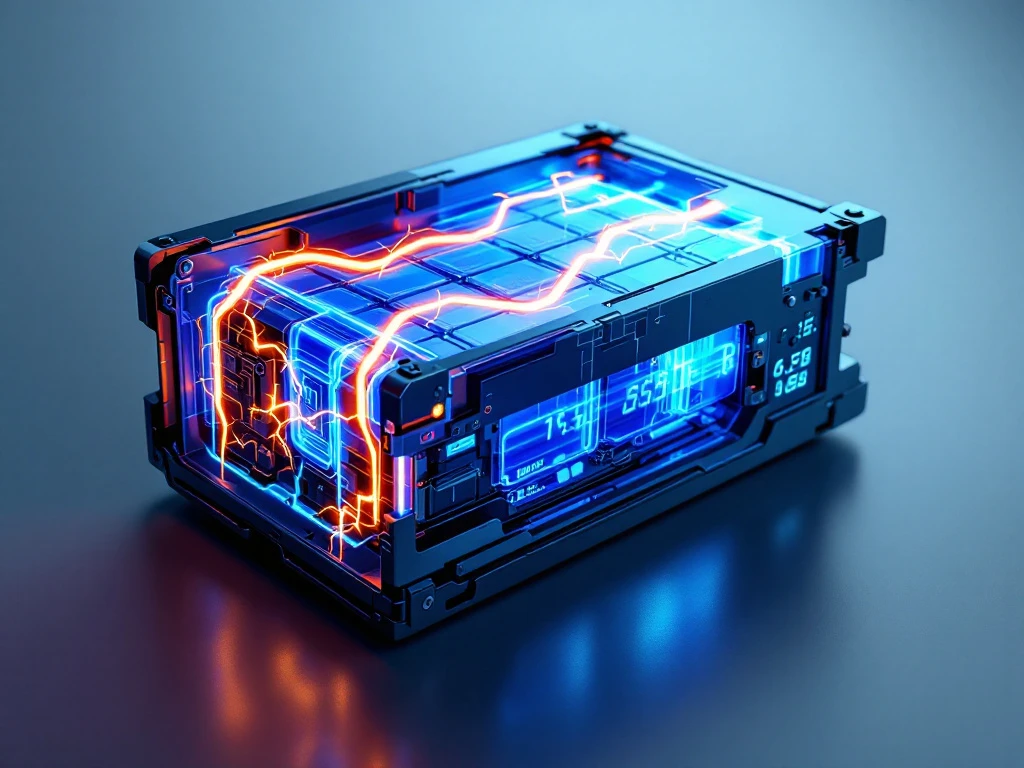
The industrial battery landscape presents unique challenges that standard solutions simply cannot address. When your Formula E racing car needs to perform at 50°C ambient temperatures, or your construction excavator requires a specific voltage configuration that fits into an unconventional space, off-the-shelf battery systems fall short. Custom battery systems and modular energy storage solutions have become essential for OEMs and manufacturers facing these specialised requirements.
Understanding the limitations of standard battery technology and the advantages of custom solutions helps manufacturers make informed decisions about their electrification journey. From thermal management considerations to hybrid system innovations, the world of industrial battery solutions offers numerous pathways for achieving optimal performance in challenging applications.
Why standard battery solutions fail in specialised applications
Standard battery systems are designed for mass-market applications with predictable requirements. However, industrial and specialised applications often demand unique specifications that these systems cannot accommodate. The limitations become apparent across several critical areas.
Voltage requirements frequently deviate from standard configurations. While consumer applications typically operate within narrow voltage ranges, industrial equipment may require custom voltages that do not align with mass-produced battery packs. Construction machinery, rail vehicles, and marine applications each present distinct electrical demands that standard systems cannot meet.
Space constraints pose another significant challenge. Custom lithium batteries must fit into existing vehicle architectures or equipment designs that were not originally intended for electrification. Standard battery packs rarely accommodate the irregular shapes, mounting points, and integration requirements found in specialised machinery.
Extreme operating conditions further highlight the inadequacy of standard solutions. Applications requiring operation at temperatures above 40°C, in high-vibration environments, or under severe weather conditions need specially designed thermal management and protection systems that standard batteries lack.
What makes modular energy storage systems essential for OEMs
Modular energy storage systems offer OEMs the flexibility needed to address specific technical challenges while maintaining cost efficiency. The modular approach allows for scalable solutions that can be adjusted based on power requirements, space limitations, and performance specifications.
Scalability represents a fundamental advantage of modular systems. OEMs can start with smaller configurations and expand capacity as needed, or adjust power output based on specific application requirements. This flexibility proves particularly valuable for manufacturers working with multiple product lines or varying performance specifications.
Customisation flexibility enables precise matching of OEM battery systems to specific applications. Rather than compromising on performance or design to accommodate standard battery limitations, modular systems can be configured to meet exact voltage, amperage, and physical requirements.
Integration speed improves significantly with modular designs. The standardised interfaces and connection systems allow for faster prototyping and shorter development cycles, reducing the time from concept to working model. This acceleration proves crucial for OEMs facing competitive market pressures.
Cost optimisation becomes achievable through modular approaches. OEMs can specify exactly the capacity and performance they need without paying for unnecessary features or capabilities that standard high-end systems might include.
Key design considerations for custom battery pack development
Developing effective custom battery systems requires careful attention to multiple technical factors that influence performance, safety, and longevity. These considerations form the foundation of successful battery pack design projects.
Thermal management systems represent perhaps the most critical design element. Custom applications often involve demanding thermal environments that require sophisticated cooling strategies. The choice between air-cooled and liquid-cooled systems depends on power density requirements, ambient conditions, and available space for cooling infrastructure.
Safety protocols must be integrated from the earliest design stages. Custom battery systems require comprehensive protection against overcharging, thermal runaway, mechanical damage, and electrical faults. These safety systems must be tailored to the specific risks present in each application environment.
Voltage and amperage specifications need precise calculation to match application requirements while maintaining system efficiency. The configuration of individual cells, series and parallel arrangements, and power delivery characteristics all influence the final system performance.
Physical integration requirements encompass mounting systems, connector specifications, cable routing, and maintenance accessibility. Custom battery systems must integrate seamlessly with existing equipment while allowing for necessary service and monitoring access.
Environmental conditions significantly impact design decisions. Factors such as vibration resistance, moisture protection, temperature cycling, and chemical exposure all influence material selection and construction methods.
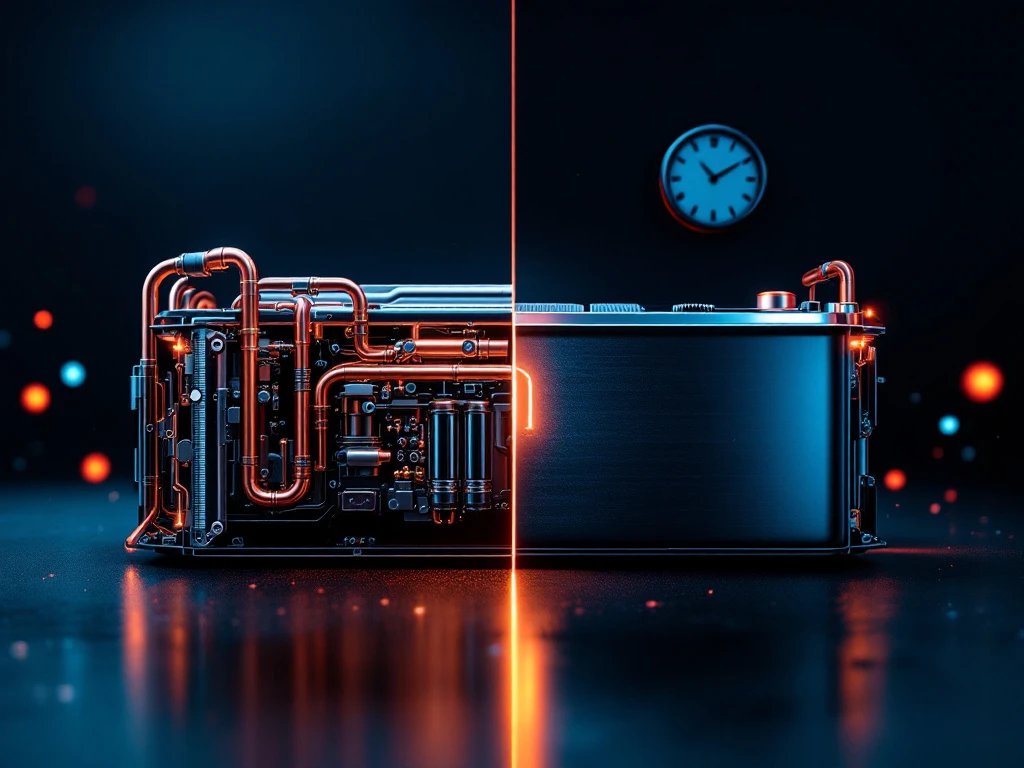
Air-cooled vs liquid-cooled battery systems: a comparison
The choice between air-cooled and liquid-cooled systems depends on application requirements, performance demands, and cost considerations. Each approach offers distinct advantages for different industrial applications.
Air-cooled systems provide simplicity and reliability for moderate-power applications. These systems use forced air circulation to manage battery temperatures and work effectively in applications with adequate airflow and moderate thermal loads. The reduced complexity translates to lower maintenance requirements and improved system reliability.
Liquid-cooled systems excel in high-power applications where thermal management becomes critical. These systems can handle much higher power densities and provide more precise temperature control. Applications such as electric vehicle batteries in racing environments or heavy construction equipment benefit from the superior thermal management capabilities.
Performance characteristics differ significantly between the two approaches. Air-cooled systems typically support moderate charging and discharging rates, while liquid-cooled systems can handle extreme cycling demands and rapid power delivery requirements.
Cost implications vary based on system complexity and performance requirements. Air-cooled systems generally require lower initial investment and simpler installation, while liquid-cooled systems involve additional components such as pumps, heat exchangers, and coolant management systems.
How hybrid battery systems revolutionise high-performance applications
Hybrid battery systems combine different energy storage technologies to optimise performance across multiple operational requirements. These innovative solutions balance range, power delivery, and efficiency in ways that single-technology systems cannot achieve.
Fuel cell and battery combinations represent the most common hybrid approach. The fuel cell provides sustained power for extended operation, while the battery system handles peak power demands and regenerative energy capture. This combination proves particularly effective in construction equipment where both continuous operation and high peak power are essential.
Racing applications demonstrate the performance potential of hybrid systems. Formula racing teams use battery technology combinations that deliver maximum power for acceleration while maintaining sufficient energy storage for race duration. These systems must respond instantly to power demands while managing thermal loads effectively.
Industrial applications benefit from hybrid systems that can operate continuously while providing peak power when needed. Construction machinery, for example, requires steady power for normal operations but significant power bursts for heavy lifting or digging operations.
Range and power optimisation becomes achievable through intelligent system management. Hybrid systems can automatically switch between energy sources based on operational demands, maximising efficiency while ensuring adequate power availability for critical operations.
Common challenges in custom battery system implementation
Implementing custom battery systems involves navigating various technical, regulatory, and operational challenges that require careful planning and expertise to overcome successfully.
Integration complexities arise when fitting new battery systems into existing equipment designs. Mechanical mounting, electrical connections, thermal management integration, and control system compatibility all require detailed engineering attention. These challenges multiply when retrofitting existing vehicles or machinery not originally designed for electrification.
Regulatory compliance presents significant hurdles, particularly for applications in regulated industries such as aviation, rail, or marine sectors. Industrial battery solutions must meet specific safety standards, certification requirements, and testing protocols that vary by application and geographic region.
Testing requirements demand comprehensive validation of system performance under various operating conditions. Custom systems require extensive testing to verify safety, performance, and reliability across the full range of expected operating conditions.
Lead-time management becomes crucial for project success. Custom battery development involves multiple stages including design, prototyping, testing, and manufacturing setup. Effective project management ensures realistic timelines while maintaining quality standards.
Technical support requirements often exceed initial expectations. Many manufacturers undertaking electrification for the first time require extensive engineering support throughout the development and implementation process. This support becomes particularly important when dealing with complex integration challenges or unexpected technical issues.
We understand these challenges intimately and have developed streamlined processes to address them effectively. Our experience across diverse industrial applications enables us to anticipate potential issues and provide solutions that minimise project risks while delivering optimal performance. If you are considering custom battery solutions for your application, we encourage you to contact us to discuss how our expertise can support your electrification goals.