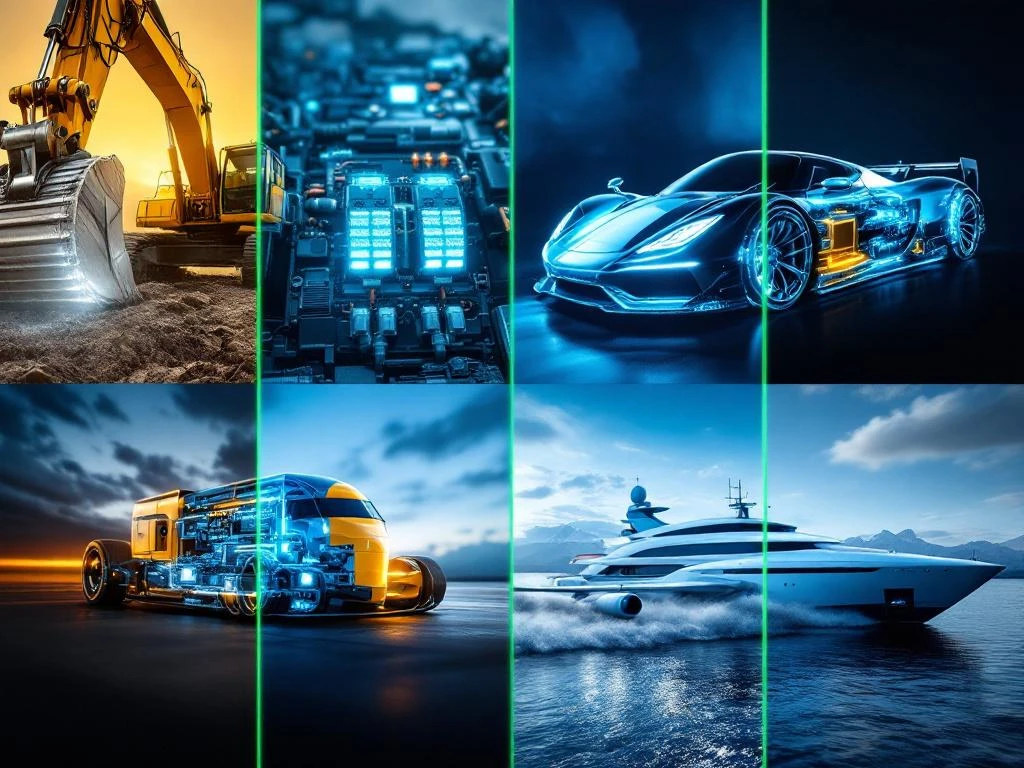
Custom EV battery solutions are required for applications where standard battery packs cannot meet specific space constraints, extreme operating conditions, or unique power demands. Industries like construction machinery, Formula racing, marine applications, and aviation need specialized battery systems designed for their particular requirements. These sectors require custom battery packs that standard manufacturers cannot provide due to deviating specifications, harsh environments, or performance demands that exceed conventional electric vehicle applications.
Which industries cannot use standard EV battery solutions?
Several industries cannot rely on standard EV battery solutions due to unique operational requirements that exceed conventional automotive specifications. Construction machinery, Formula racing, marine applications, and aviation sectors all face challenges that standard battery manufacturers cannot address with their off-the-shelf products.
Construction equipment operates in harsh environments with extreme temperatures, vibrations, and dust exposure that would damage standard automotive batteries. These machines require robust housing, enhanced cooling systems, and ruggedised connections that can withstand constant abuse. The power demands also differ significantly, with excavators and mining equipment needing sustained high-power output rather than the variable loads typical in passenger vehicles.
Racing applications demand lightweight, high-performance systems that prioritise power density over longevity. Formula E and sports car retrofits need rapid charging capabilities and extreme cycling performance that standard automotive batteries cannot deliver. The space constraints in racing vehicles also require custom shapes and configurations that don’t exist in standard product lines.
Marine and aviation sectors face strict safety regulations and certification requirements that standard automotive batteries haven’t been designed to meet. These applications need specialised safety systems, fire suppression integration, and materials that can handle saltwater corrosion or altitude variations.
What makes construction equipment require specialized battery systems?
Construction equipment requires specialized battery systems because of extreme operating conditions and high power demands that far exceed standard automotive requirements. These machines operate in temperatures up to 50°C, face constant vibrations, and need sustained high-power output for hydraulic systems and heavy lifting operations.
The power requirements for construction machinery are fundamentally different from passenger vehicles. Excavators need consistent high-power delivery for hydraulic pumps, while mining equipment requires sustained operation under maximum load conditions. Standard EV batteries are designed for variable power delivery with regenerative braking, which doesn’t match the constant high-demand profile of construction equipment.
Durability becomes critical when machines operate in dusty, rocky environments where standard battery enclosures would fail. Custom battery systems need reinforced housing, sealed connections, and enhanced thermal management to survive daily exposure to debris, moisture, and extreme temperature fluctuations. The battery modules must be designed with industrial-grade components that can withstand these harsh conditions.
Space constraints in construction equipment also differ significantly from automotive applications. Retrofitting existing diesel machinery requires custom battery pack shapes that fit around hydraulic systems, engine compartments, and operator cabins. Standard rectangular battery packs rarely fit these irregular spaces without compromising functionality or safety.
How do racing applications drive custom EV battery innovation?
Racing applications drive custom EV battery innovation by demanding maximum performance in lightweight packages with rapid charging capabilities and extreme cycling demands. Formula E, Formula 4, and sports car retrofits push battery technology beyond standard automotive limits, requiring specialized solutions that prioritise power density over longevity.
Weight reduction becomes paramount in racing applications where every kilogram affects performance. Custom racing batteries use advanced materials and packaging techniques to achieve power densities that standard automotive batteries cannot match. These systems often sacrifice some capacity for reduced weight, creating power-to-weight ratios that would be impractical for everyday vehicles.
The charging requirements in racing differ dramatically from consumer applications. Racing teams need rapid charging between sessions, sometimes requiring full charges in under 30 minutes. This demands custom thermal management systems and specialized cell chemistry that can handle extreme charging rates without degradation or safety risks.
Extreme cycling demands in racing push batteries through charge and discharge cycles that would destroy standard automotive batteries within weeks. Racing applications require custom battery packs designed for high-power cycling with advanced cooling systems that maintain performance under sustained abuse. These innovations often filter down to improve standard EV technology over time.
Why do marine and aviation sectors need bespoke battery solutions?
Marine and aviation sectors need bespoke battery solutions because of strict safety regulations and unique environmental challenges that standard automotive batteries cannot address. These applications require specialized safety systems, certification compliance, and materials designed for saltwater resistance or altitude variations.
Aviation applications face the most stringent safety requirements, with batteries needing certification from aviation authorities before installation. Custom aviation batteries require specialized fire suppression systems, pressure relief valves, and materials that meet aircraft safety standards. The weight restrictions in aviation also demand custom solutions that maximize energy density while meeting safety requirements that don’t exist in automotive applications.
Marine environments present unique challenges with saltwater corrosion, humidity, and temperature variations that standard batteries cannot handle. Custom marine battery systems need corrosion-resistant materials, waterproof sealing, and specialized ventilation systems. The space constraints on boats and ships also require custom shapes that fit around existing marine equipment and maintain proper weight distribution.
Both sectors require specialized monitoring systems that integrate with existing navigation and safety equipment. These custom battery packs need communication protocols and safety interlocks that standard automotive systems don’t provide, ensuring compatibility with marine electronics or aircraft systems.
The diversity of applications requiring custom EV battery solutions continues to grow as more industries pursue electrification. Whether you’re dealing with extreme environments, unique space constraints, or specialized performance requirements, finding the right battery solution often means moving beyond standard products. If you’re facing similar challenges with your electrification project, we’d be happy to discuss how custom battery solutions might address your specific requirements – feel free to contact us to explore your options.